Aerospace engineer Michi Benthaus made history on Saturday morning, December 20, by becoming the first wheelchair user to travel to space and return safely to Earth.
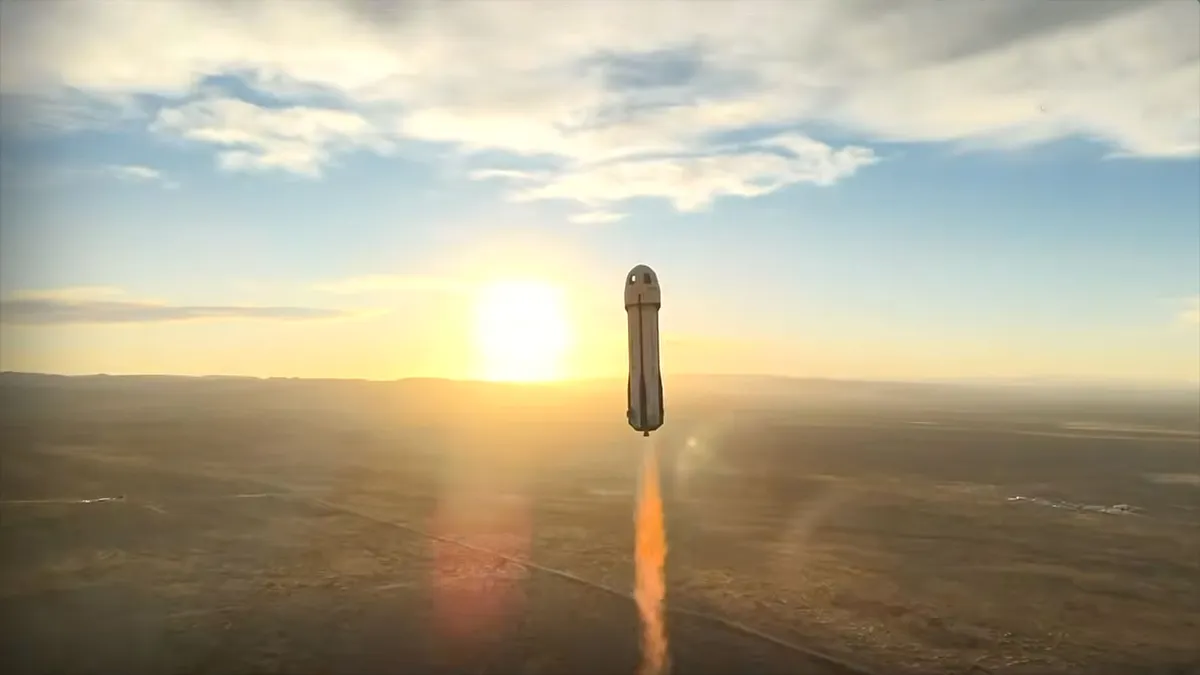
Blue Origin launched Benthaus alongside five other crew members on a suborbital flight from the company’s West Texas launch facility. Liftoff occurred at 9:15 a.m. EST, marking another milestone for the New Shepard program.
With the successful launch, Benthaus became the first wheelchair user ever to reach space. The mission had initially been planned for Thursday but was postponed due to an issue detected during preflight system checks.
Benthaus is an engineer at the European Space Agency and has used a wheelchair since a mountain biking accident in 2018. She was joined on the flight by investors Joey Hyde and Adonis Pouroulis, aerospace engineer Hans Koenigsmann, entrepreneur Neal Milch, and space enthusiast Jason Stansell.
Hans Koenigsmann is well known among spaceflight followers. He worked at SpaceX from 2002 to 2021 and spent his final decade as vice president of build and flight reliability, frequently appearing in post-launch briefings.
Blue Origin designated the flight NS-37, marking the 37th launch of its New Shepard system. The vehicle consists of an autonomous, fully reusable rocket and crew capsule.
New Shepard missions are suborbital and typically last between 10 and 12 minutes from liftoff to landing. During the flight, passengers witness Earth against the darkness of space and experience several minutes of weightlessness.
The capsule crosses the 62-mile-high Kármán line, widely recognized as the boundary of outer space. Passengers also receive astronaut wings following the mission.
As of this flight, 17 of New Shepard’s 37 launches have carried human passengers, while the remaining missions focused on uncrewed research. Across those crewed flights, 92 seats have been filled by 86 individuals, with several passengers flying more than once.
Blue Origin has not publicly disclosed the price of a seat aboard New Shepard.