The European Space Agency’s Hera mission, currently heading toward the Didymos-Dimorphos asteroid system to study the aftermath of NASA’s 2022 DART collision, has completed a crucial camera test by imaging two distant and faint asteroids: Otero and Kellyday.
Launched on Oct. 7, 2024, Hera is designed to investigate how DART’s intentional crash into Dimorphos altered its orbit, a key demonstration in planetary defense. During its cruise phase, Hera passed through the asteroid belt after a gravity assist from Mars in March 2025 — a perfect chance to test its Asteroid Framing Camera.
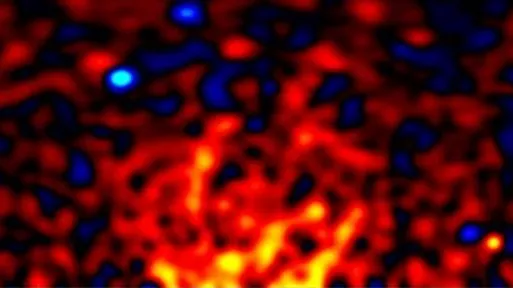
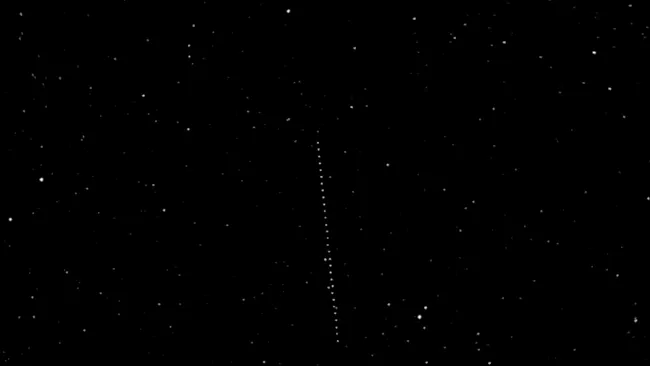
The test involved tracking asteroid (1126) Otero, an A-type asteroid rich in olivine, and asteroid (18805) Kellyday, named after a U.S. student science competition winner. Otero was imaged on May 11, with Hera snapping photos every six minutes over three hours. Despite being 187 million miles away, it appeared as a faint point that slowly moved against the stars. Kellyday, imaged on July 19, proved even more challenging — 40 times fainter than Otero — but was still detected successfully.
According to ESA flight dynamics engineer Giacomo Moresco, the test confirmed that Hera can track faint targets under conditions similar to its upcoming Didymos and Dimorphos approach. This skill could also be repurposed for rapid-response observations of newly discovered hazardous asteroids or interstellar visitors like 3I/ATLAS.
Hera is scheduled to arrive at Didymos and Dimorphos in late 2026, where it will spend six months studying the asteroids in detail and capturing close-up images of the DART impact site.